
- Average Rent
- Advice
- Forum
- +Sign Up
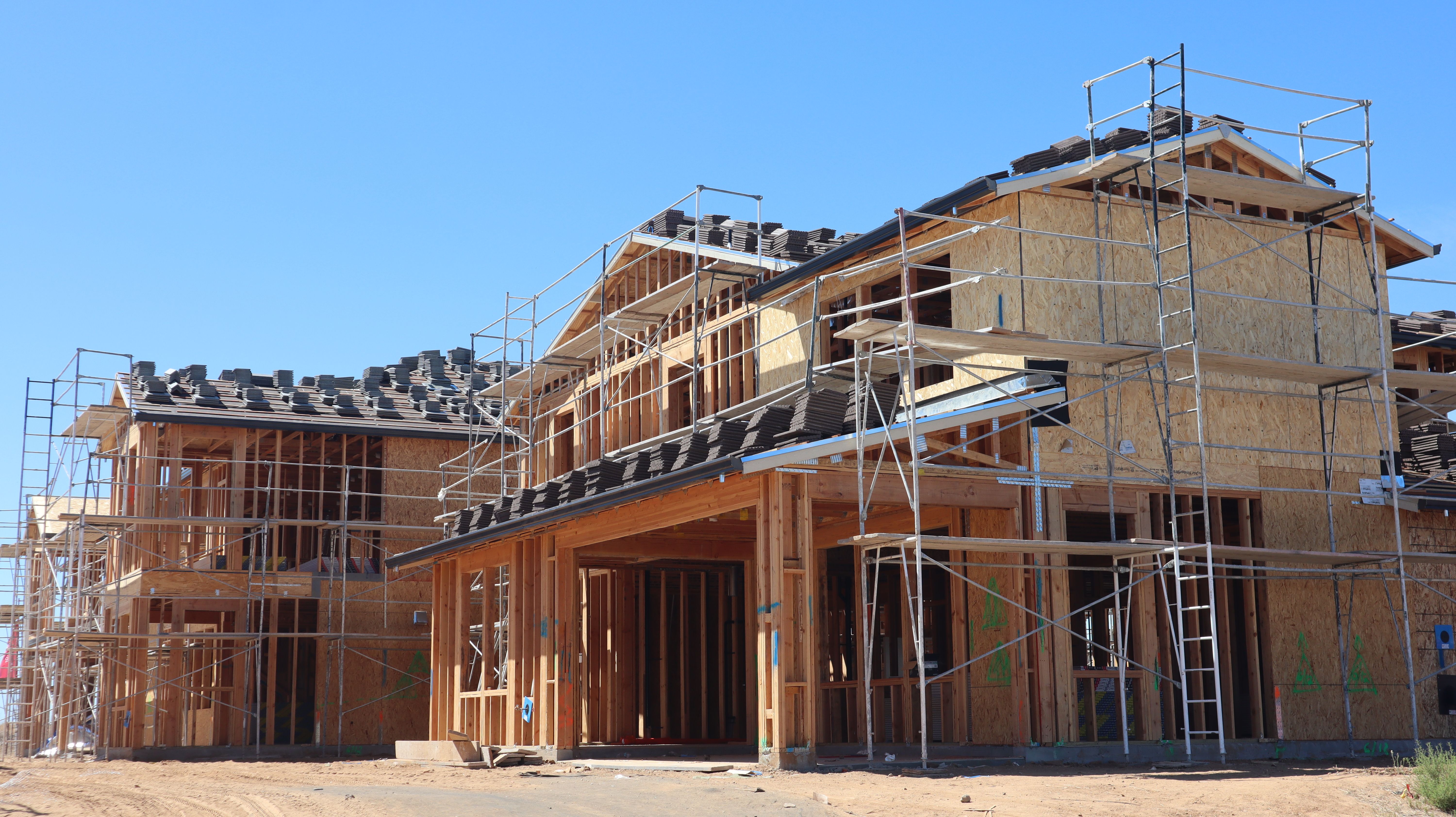
Buying a home in a brand-new development has a lot of appeal, as it's the best chance to secure a property that has spotless finishes, modern insulation and developer warranties. However, the initial estimated costs of building a new development are rarely the final bill, as there are so many secret costs that you won't suspect. Having a breakdown of the hidden costs of new building creations can help with budgeting and allow project managers to complete a real estate project without overspending.
In this guide, we are going to help to identify the hidden costs to watch out for in new developments, so you can be aware of everything that will add to your final bill. Continue reading to learn more.
Editor's note: This article discusses development costs using UK terminology and regulatory examples. U.S. readers should check local requirements, fee structures and professional advice before applying these examples to a project.
Before anything has been laid down, contractors need to ensure that the soil is a good enough standard. This makes it one of the greatest financial risks in any new-build project, as standard cost-per-square-metre estimates usually assume that the ground is already flat. If it isn't you will need to spend to get it in the appropriate state. If the ground is soft clay or unstable loose earth, a builder may need an engineered foundation solution. Depending on the site, this may involve deep foundations or other ground-improvement measures to limit settlement. This can substantially increase the cost of your foundations.
Soil might also become contaminated. When this happens, you can't just dig it up and dump it anywhere, as it must be assessed and managed under applicable waste rules. Depending on the contaminants and their classification, special hazardous waste facilities may be required. This can be very expensive and set your project back.
If your new building uses lots of power, which is especially the case with modern requirements like electric vehicle chargers or heat pumps, the local power company might tell you the neighborhood grid can't handle it. You may have to pay for them to upgrade the street's transformer or install a mini-substation on your land.
To connect water or electricity, you often have to dig up the public street outside. This means you'll have to pay the local council for permits, pay for temporary traffic lights and pay to re-tarmac the road when you finish.
You'll need to stay within regulations to maintain compliance for your new development. In many areas, the local government charges a fee per square meter of new buildings. The idea is that your new building puts more strain on local roads, schools and parks, so you have to chip into a council fund. This is often forgotten about, leading to budgeting dilemmas.
If your site is in a historic area, the council may require archaeologists to dig test trenches before construction. If they find historic pottery or ancient foundations, your site is paused while they carefully dig it up and this will cost you.
Building close to a neighbour or digging deep foundations close to their property will come with some issues. You often have to pay for a surveyor to inspect their house before and after to make sure everything is good to go ahead. Where party-wall rules apply in England and Wales, you may also have to pay reasonable fees for the neighbour's surveyor; responsibility depends on the work and the agreement or award.
The construction process can also be problematic. If a crane's arm swings over a neighbour's roof, you may need a formal legal license from them to use their airspace. This can involve legal fees and sometimes a payment to the neighbour.
Purchasing machinery for the construction process can cost a lot of money and is often forgotten in the budgeting process. If you need a range of different machines, such as excavators, telehandlers and diggers, your costs will quickly multiply. That's why you see so many contractors looking for construction plant hire, which allows them to use machines for a short period of time before giving them back and this can be cheaper for short-term needs. Make space for this in your budgeting plans if you want to create a building that gives you a higher return on investment (ROI).
When you're challenged with a new development, it can be an exciting time as you can create a piece of infrastructure that can be there for centuries. As a bonus tip, don't forget to factor in the cost of borrowing money, as interest rates, loan arrangement fees and extended financing timelines can significantly add to your total expenditure.
Disclosure: This article is for general information only and is not a substitute for professional legal, financial, tax, lending, insurance, or maintenance advice. Rules, costs, and requirements vary by location and circumstance. Readers should verify details and consult qualified professionals before making rental, repair, borrowing, or investment decisions. This article may include compensated commercial links.
Login or create and account to comment on this article Sign Up